How to Launch a Private-Label Underwear Line (2026 Guide)
Starting your own underwear brand looks complicated from the outside — fabric mills, tech packs, minimums, certifications, customs. In practice it comes down to six clear steps. Here is how buyers move from an idea to product on the shelf when they work with a vertically integrated manufacturer.
1. Define the range and positioning
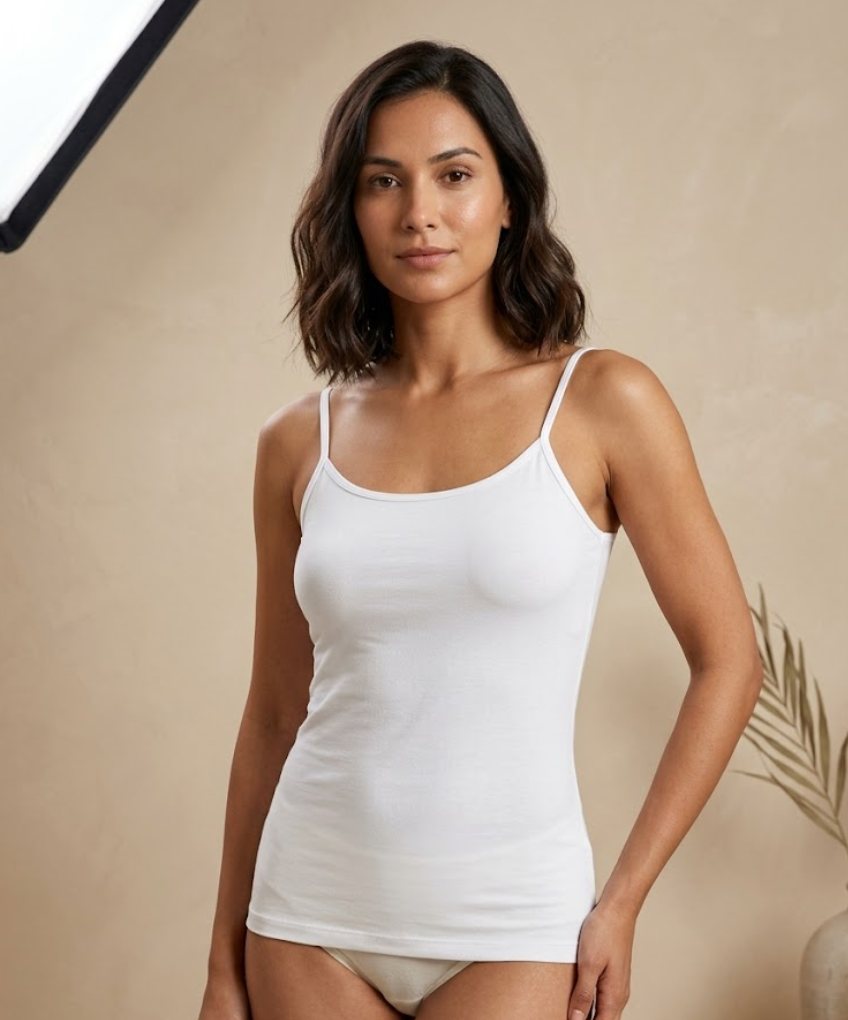
Decide who you are selling to and what you are selling first. Most private-label innerwear lines start with a tight core: men's briefs and boxers, women's singlets and briefs, and a t-shirt/undershirt. Keep colours to whites, greys, navy and black for launch — they carry 80% of demand and simplify your first production run.
2. Choose the fabric quality
The fabric decides the price and the feel. The common options:
- 100% combed cotton — breathable, soft, the everyday standard.
- Cotton + elastane (95/5) — stretch and shape recovery for boxers and fitted styles.
- Modal blends — a silkier, cooler drape for a premium tier.
- Organic (GOTS) cotton — for brands that need a certified sustainable story.
A manufacturer that spins and knits its own fabric can match a target price and hand-feel far more precisely than one that buys cloth on the open market.
3. Build the tech pack
Your tech pack is the instruction sheet: measurements per size, fabric weight (GSM), stitch and seam types, waistband, label and packaging artwork. If you don't have one, a good manufacturer will help you develop it from a reference sample. This is also where you set your size run (e.g. S–XXL, or the numeric 4/5 system) and grading.
4. Understand MOQs and pricing
MOQ (minimum order quantity) is usually set per style and colour. Low MOQs are what let a new brand launch without locking up cash in stock — ask your manufacturer for the real per-style minimum, not just a headline number. Price is driven by fabric, complexity, packaging and volume; request a costed quote against your tech pack rather than a generic price list.
5. Sample, approve, produce
You approve a pre-production sample before bulk. This is the moment to check fit, fabric weight, shrinkage, label placement and packaging. Once you sign off, bulk production runs; a typical timeline is a few weeks for samples and a few more for bulk, depending on quantity and season.
6. Certifications and compliance
For retail — especially EU retail — your product needs to be safe and provable. Look for a manufacturer whose fabric is:
- OEKO-TEX® Standard 100 (Class I) — tested for harmful substances to the strictest, baby-safe class.
- GOTS — if you are marketing organic.
- ISO 9001 — a certified quality system behind the whole process.
Only display a certificate's logo when it is valid and covers your goods — buyers and regulators can check.
The shortcut: vertical integration
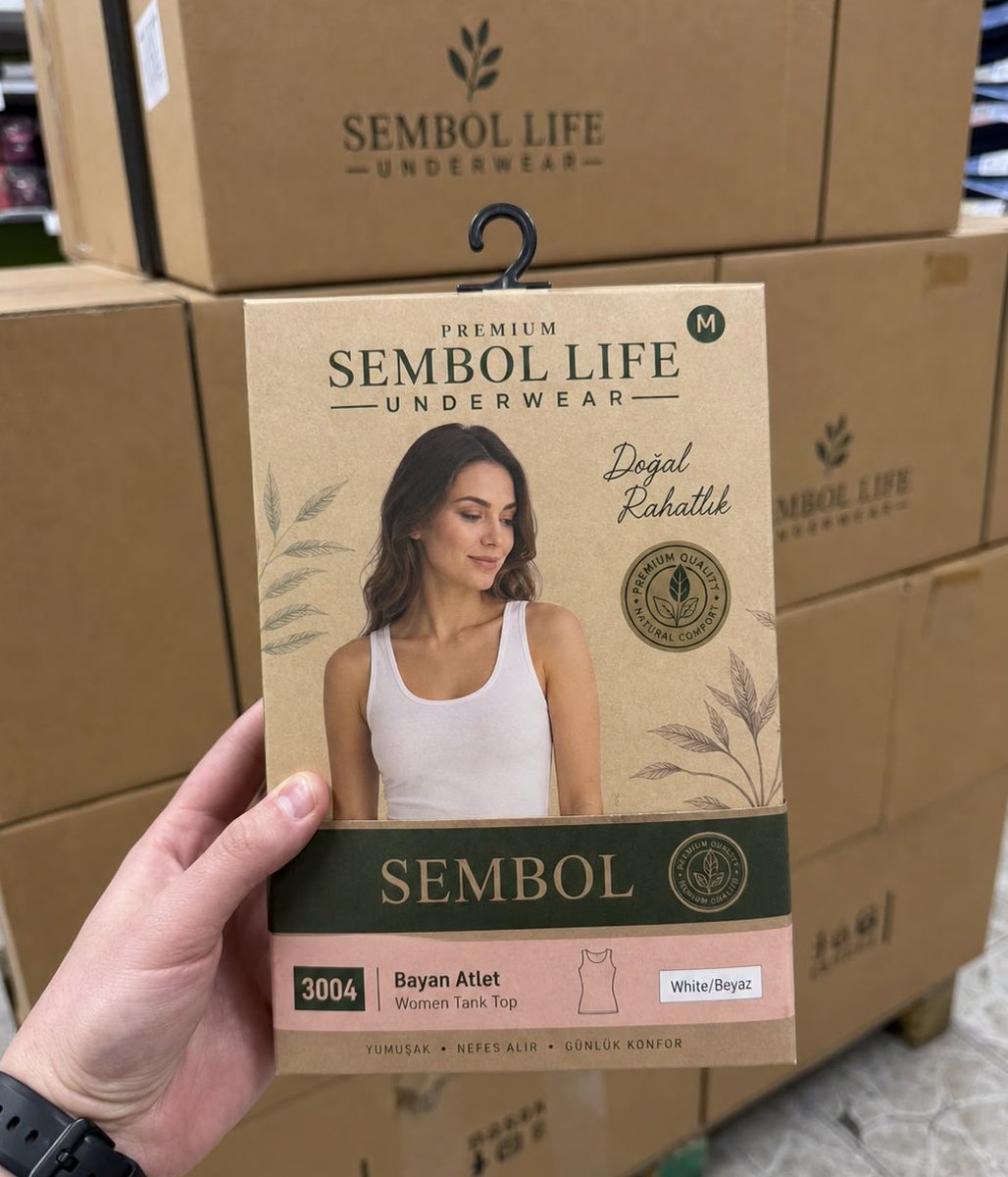
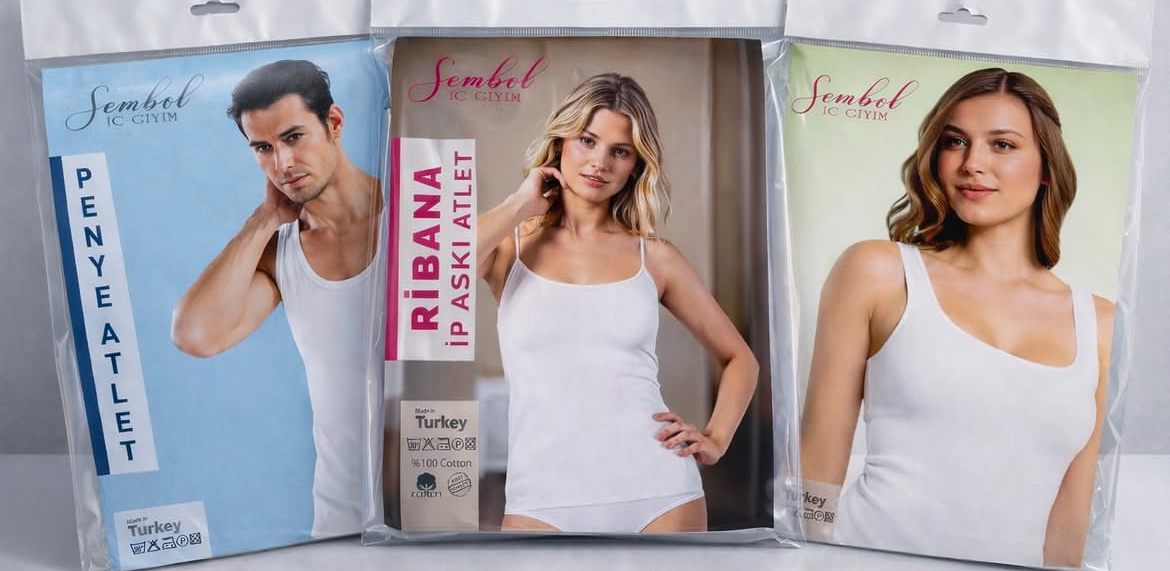
Every step above is faster and cheaper when one company owns the whole chain — yarn, knitting, dyeing, finishing and sewing under one roof. That is how Sembol holds quality, cost and lead times where our partners need them, from a single sample to repeat bulk orders.
Let’s make your line
Send your tech pack or a reference sample — we’ll reply with a costed quote.