GSM & Fabric Weight: Spec the Right Knit for Underwear
GSM is the number that quietly decides whether your underwear feels cheap or premium, sheer or opaque, cool or substantial. Yet many buyers leave it off the tech pack and let the factory choose. Specify it deliberately and you control the feel, the cost and the consistency. Here is how.
What GSM actually is
GSM means grams per square metre — the weight of one square metre of the fabric. A higher GSM is a heavier, denser knit; a lower GSM is a lighter, airier one. It is the single most useful number for describing "how substantial" a fabric feels, and it is measurable, so it makes fabric a spec instead of an opinion.
Two fabrics can share the same fibre and still feel completely different because their GSM differs — which is why "100% combed cotton" alone is not a spec.
Why GSM matters to a buyer
Fabric weight drives the outcomes your customer judges:
- Hand-feel and perceived quality — heavier often reads as more premium (to a point).
- Opacity — too light and light-colour briefs or camisoles turn sheer.
- Breathability and warmth — lighter knits breathe cooler; heavier ones feel more substantial.
- Durability — a well-constructed heavier knit generally survives more wash cycles.
- Cost — more grams means more yarn, so GSM is a direct cost lever. Over-specifying weight where it isn't needed just adds cost.
Typical weight ranges by style
Use these as orientation, then confirm the exact target on your sample — the right weight always depends on the yarn, knit and finish together:
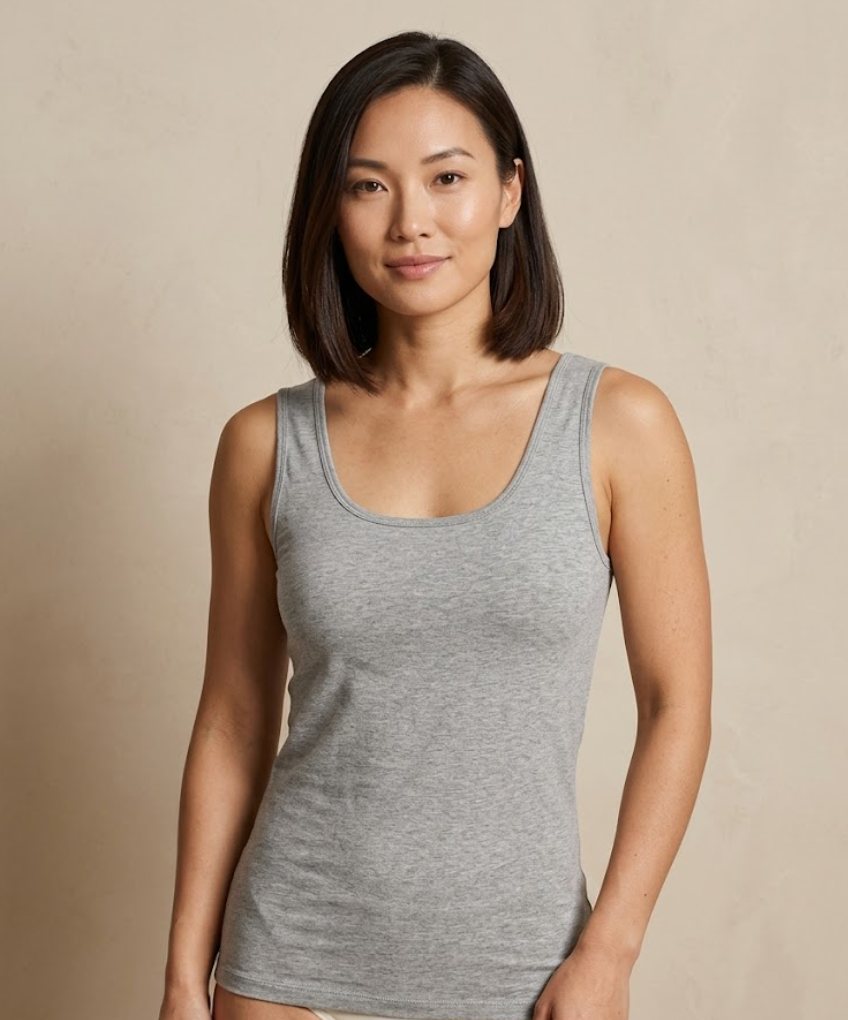
- Camisoles and women's singlets — lighter single-jersey knits for a fluid, close drape.
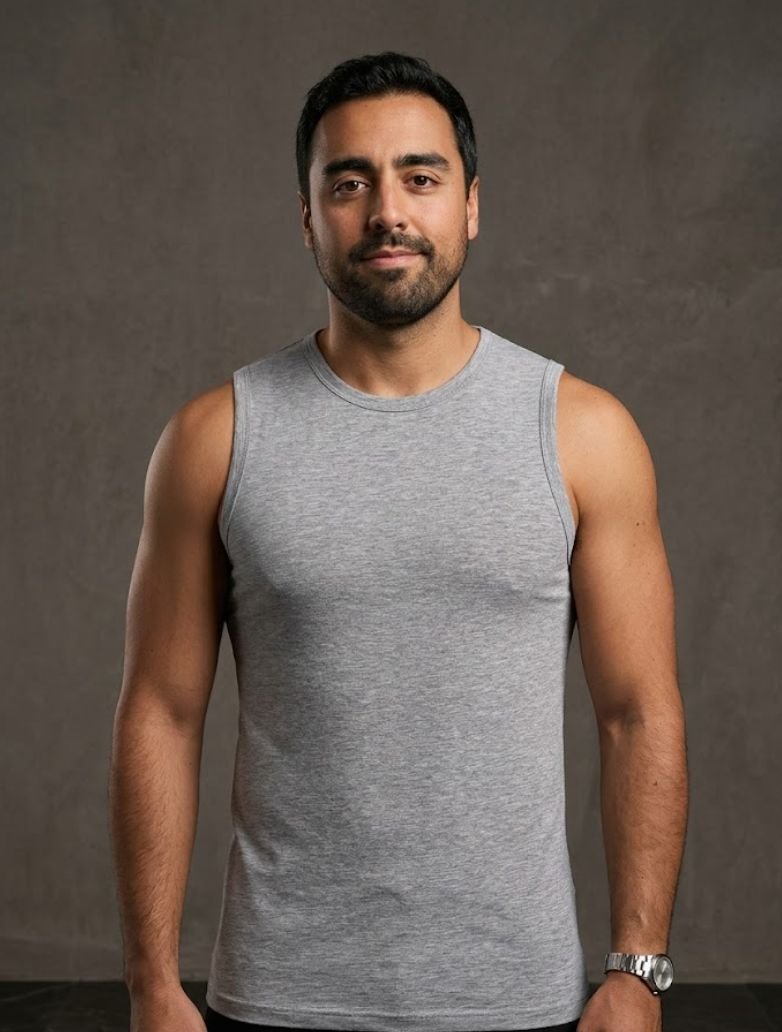
- Undershirts (crew tee, tank singlet) — a light-to-mid single jersey; enough weight to layer without shrinking to sheer.
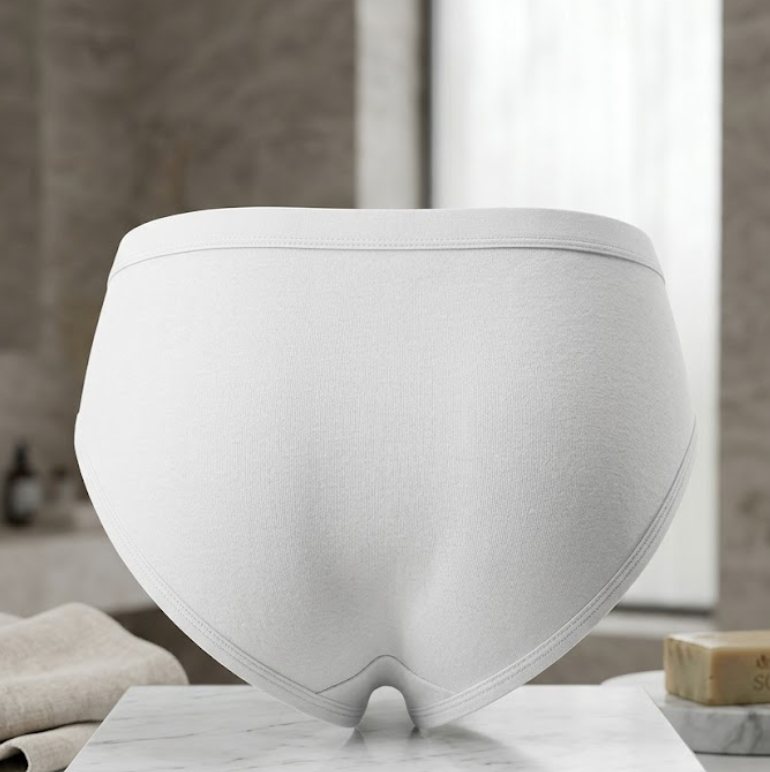
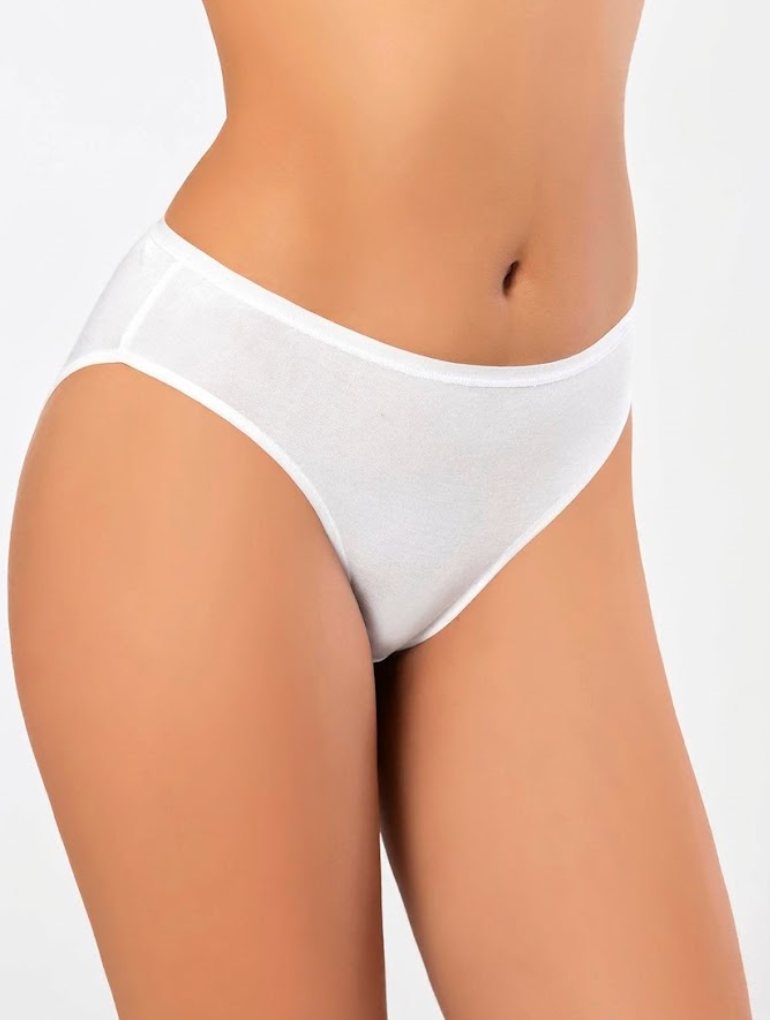
- Briefs — mid-weight single jersey; enough opacity and recovery for comfort.
- Boxers and boxer-briefs — mid-to-heavier weight, frequently in 95/5 cotton-elastane, so the garment holds shape through wear.
The principle: lightest where drape and coolness win, heavier where structure and opacity win.
GSM is only part of the spec
Weight alone doesn't define a fabric. Pin these down together:
- GSM target — with an agreed tolerance (fabric weight varies slightly by nature).
- Knit construction — single jersey, interlock, rib; each behaves differently at the same GSM.
- Yarn — combed vs carded, and yarn count (finer yarn gives a smoother hand at a given weight).
- Fibre/blend — 100% cotton vs 95/5 cotton-elastane.
- Finish — pre-shrunk, bio-polished, softened; finishing changes both feel and final weight.
Two knits at identical GSM but different construction (say jersey vs interlock) will feel and perform differently — so specify construction alongside weight, not instead of it.
How to lock it in
- Put a GSM target and tolerance on the tech pack, not a vague adjective.
- Approve it on a physical sample — feel it, hold it to the light for opacity, wash it for shrinkage and weight change.
- Reference it for every reorder so this season's fabric matches last season's.
A manufacturer that spins and knits its own yarn can hit a specific GSM and hold it batch to batch far more reliably than one buying cloth on the open market — which is what keeps your reorders feeling identical to your launch.
The buyer's takeaway
GSM turns "it should feel nice" into a number you can specify, sample, cost and repeat. Decide the weight per style on purpose, tie it to construction and finish, and lock it to a signed sample — and your fabric stops being a variable and becomes a controlled part of your brand.
Sembol knits single jersey and cotton-elastane to specified weights in-house, so your GSM is dialled in at launch and held across every repeat run.
Let’s make your line
Send your tech pack or a reference sample — we’ll reply with a costed quote.