Cotton vs Cotton-Elastane vs Modal: Innerwear Fabric Guide
The fabric decides almost everything a buyer cares about: how the garment feels on skin, how it holds its shape, how it prices, and how it survives the wash. Three options cover the overwhelming majority of cotton innerwear briefs. Here is how to choose between them by style, tier and market.
100% combed cotton — the everyday standard
This is the default for core innerwear. Combed cotton is spun from fibres that have been brushed to remove short strands and impurities, which leaves a smoother, stronger, softer yarn than carded cotton.
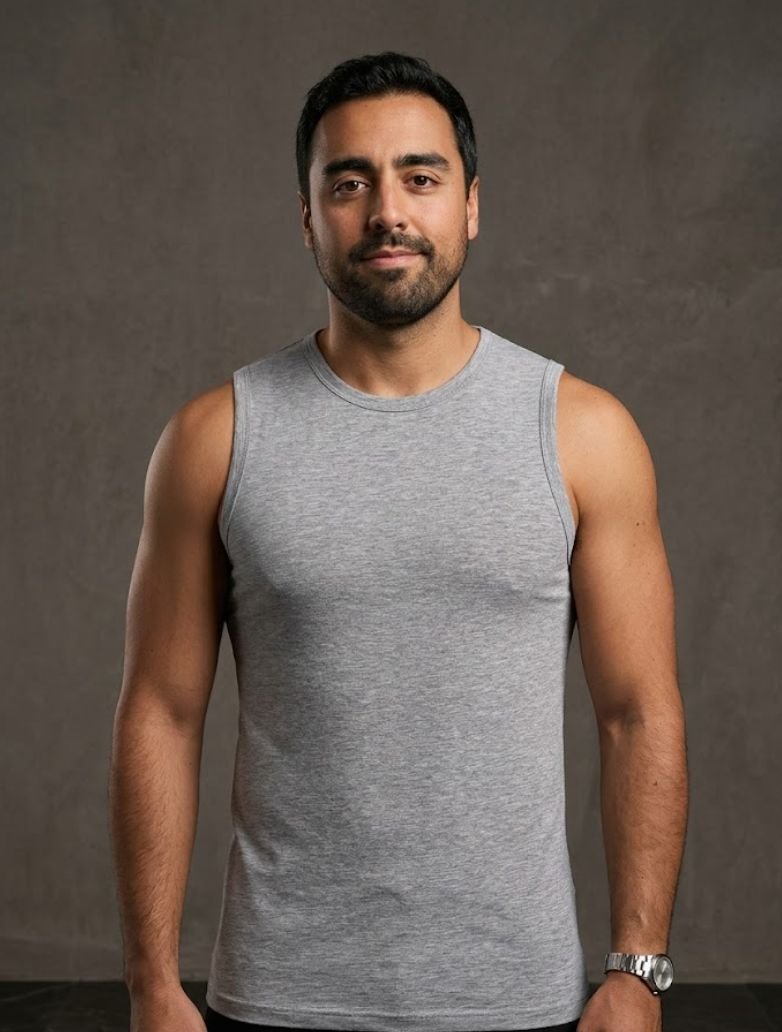
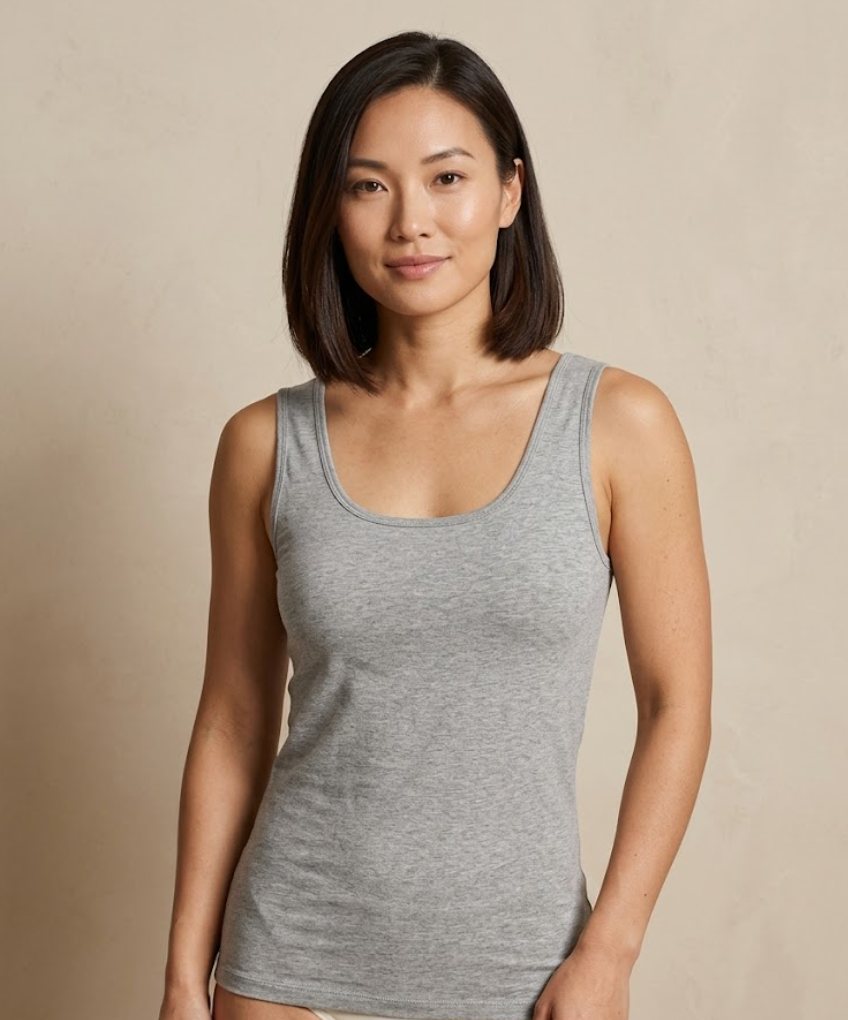
- Best for: classic briefs, undershirts (crew tee and tank singlet), women's tanks and camisoles.
- Strengths: breathable, absorbent, hypoallergenic feel, easy to certify and market.
- Watch-outs: pure cotton has limited stretch recovery, so cut and rib construction do the shaping. Expect some natural shrinkage — control it by specifying a finished, pre-shrunk fabric.
If a customer just wants "soft, safe, breathable underwear," combed cotton delivers it at the most predictable cost.
Cotton-elastane (95/5) — stretch and shape recovery
Add elastane when the garment needs to move and snap back. A 95% cotton / 5% elastane knit keeps the cotton hand-feel while adding the four-way give that fitted styles demand.
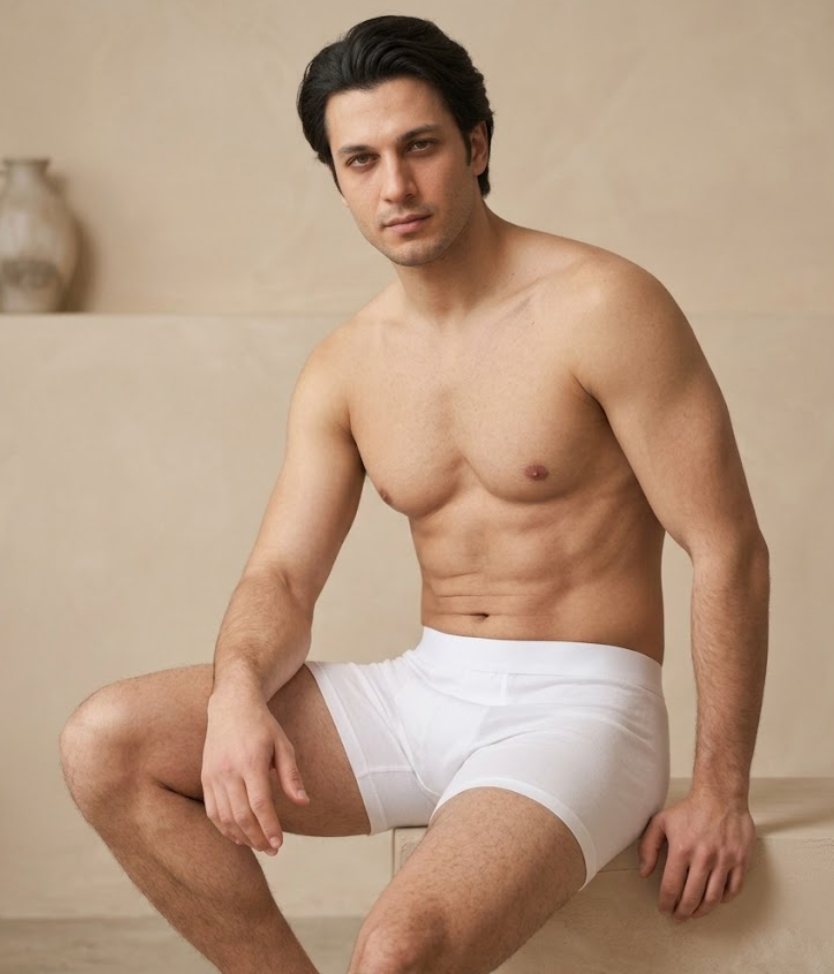
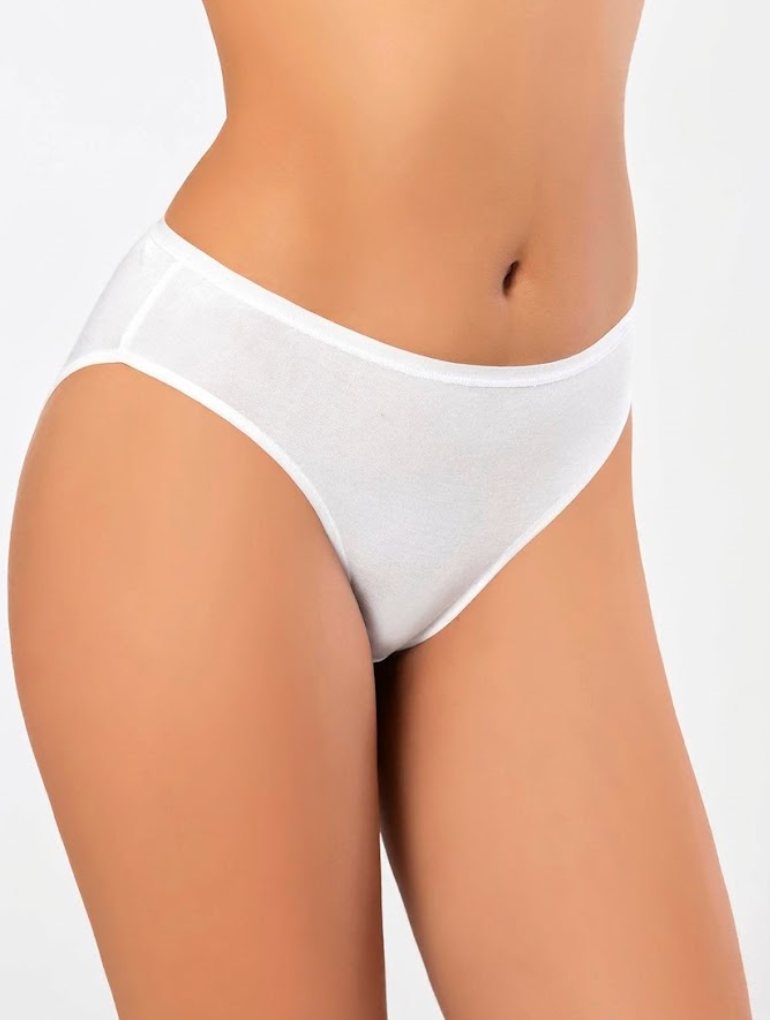
- Best for: boxers and boxer-briefs, fitted women's styles, anything cut close to the body.
- Strengths: hugs without digging, recovers its shape after wear, reduces bagging at the knee and seat.
- Watch-outs: elastane content and knit quality drive how long that recovery lasts. Cheap elastane goes slack after a season; specify the blend and confirm it in your pre-production sample wash test.
For boxers in Navy, Melange Grey, Anthracite and Black, 95/5 is usually the right call — it is what makes a boxer stay put through a day of wear.
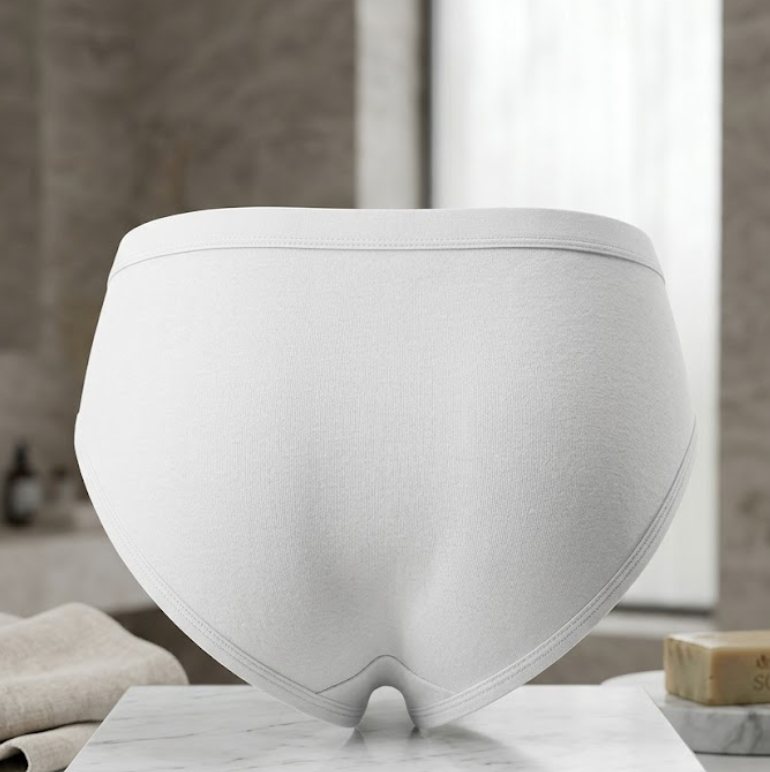
Modal and modal blends — the premium tier
Reach for modal when you are selling on luxury feel. Modal is a cellulosic fibre (regenerated from beech) known for a silky, cool, fluid drape and excellent colour retention.
- Best for: premium camisoles, upmarket undershirts, a "better" line above your cotton core.
- Strengths: softer and cooler to the touch than cotton, drapes beautifully, resists shrinkage and fading.
- Watch-outs: it carries a higher fibre cost and is often blended (e.g. modal/cotton or modal/elastane) to balance softness with structure and stretch.
Modal is how you build a clear "good / better / best" ladder without changing your silhouette — same style, elevated fabric, higher price point.
A quick spec checklist
When you brief a fabric, pin down these five together — they move as a group:
- Fibre and blend — 100% cotton, 95/5 cotton-elastane, or a modal blend.
- Weight (GSM) — lighter for singlets and camisoles, heavier for boxers and undershirts.
- Combed vs carded — combed for anything touching skin all day.
- Finish — pre-shrunk / bio-polished for softness and stability.
- Colour set — confirm shades reproduce across reorders (Navy, Grey, Anthracite, Black are your safe core).
A manufacturer that spins and knits its own yarn can dial these in precisely — matching a target hand-feel and price rather than working from whatever cloth is on the open market that week.
Matching fabric to your line
Most private-label ranges use all three on purpose: combed cotton for the volume core, cotton-elastane for fitted boxers and shaping styles, and a modal capsule as the premium upsell. That structure covers price-sensitive and aspirational buyers from one supplier, and it keeps your sizing and packaging consistent across tiers.
Sembol knits 100% combed cotton and 95/5 cotton-elastane in-house, with certified fabric behind every tier — so the fabric in your sample is the fabric in your bulk.
Let’s make your line
Send your tech pack or a reference sample — we’ll reply with a costed quote.