Building a Reliable Repeat-Order Supply Relationship

The first order proves a product can sell. The repeat order is where the business actually lives — and where most brands lose money by running out of bestsellers or ordering the wrong sizes again. A good restocking relationship turns manufacturing from a series of gambles into a predictable supply. Here is how to build one.
Why the reorder is the real relationship
A launch order is full of unknowns: which styles, colours and sizes will move? The reorder replaces guessing with data — you now know your bestsellers and your true size curve. The supplier who can reproduce those bestsellers consistently and quickly is worth far more than one who was merely cheapest on the first order.
Reorders are also faster and often better-priced: development is done, the pattern is approved, and volume can consolidate into proven winners.
Consistency is the whole game
A repeat order only works if piece 5,000 matches piece 1 from a year ago. That consistency depends on the supply chain:
- Colour repeatability — this season's Navy has to match last season's Navy. Owning dyeing is what makes a shade reproducible batch to batch.
- Fabric consistency — same GSM, same combed-cotton hand, every run.
- Fit and grading — the same approved measurements, held to tolerance.
A vertically integrated maker controls all three because it owns yarn, knitting and dyeing — so your reorder feels identical to your launch, not "close enough."
Forecasting so you never stock out
You don't need a perfect forecast, just a disciplined one:
- Track sell-through per SKU, not just total sales — you reorder styles, colours and sizes, not averages.
- Know your reorder lead time and treat it as your planning horizon.
- Set a reorder point — the stock level that triggers a new order, calculated from your sell-through rate and lead time, plus a safety buffer.
- Consolidate the winners — pour reorder volume into proven bestsellers to earn better pricing.
- Share a rolling forecast with your manufacturer so they can reserve capacity ahead of your demand.
The single most useful thing you can give a supplier is visibility — a forward view of what you'll likely need lets them plan fabric and line time instead of scrambling.
Terms that make restocking smooth
Agree these once and every reorder gets easier:
- Reorder minimums — usually lower than launch minimums for an established style; confirm them.
- Reorder lead time — shorter than a first order because development is complete.
- A held reference sample — an approved standard both sides measure against, so quality doesn't drift.
- Colour and fabric standards on file — so "the usual Navy" means one exact thing.
- A clear reorder process — how you place it, how it's confirmed, how it's scheduled.
Use proximity to reorder faster
Lead time is a strategic advantage in restocking. Manufacturing in Türkiye, with road and express freight into the EU measured in days, means you can hold less safety stock and still react quickly when a style takes off — capital stays in motion instead of sitting in a warehouse as insurance.
Signs of a supplier built for the long run
- They quote reorder terms clearly, not just launch pricing.
- They keep your reference sample, colour and fabric standards on file.
- They can reproduce colour and hand-feel reliably (usually because they own dyeing and knitting).
- They welcome a rolling forecast and reserve capacity against it.
- They communicate quickly across your working hours.
The buyer's takeaway
Treat your manufacturer as a supply partner, not a transaction. Feed them sell-through data and a forward view; agree reorder terms and reference standards up front; and choose a maker whose chain can reproduce your winners exactly. Do that and restocking becomes a routine, not a fire drill — which is what lets a brand scale.
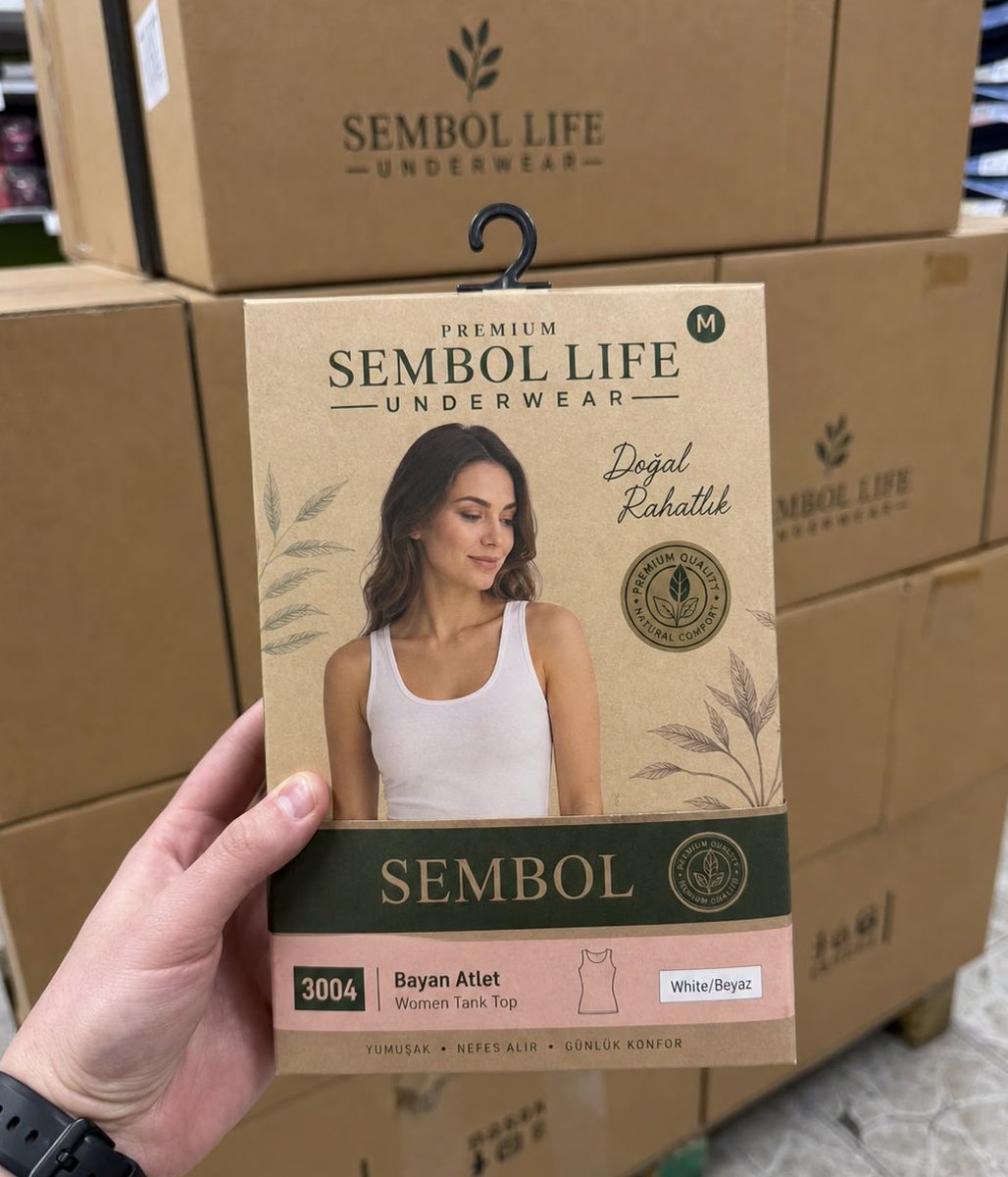
Sembol keeps your reference sample, colour and fabric standards on file and reproduces them in-house from yarn to garment — so your reorders stay consistent, fast and predictable.
Let’s make your line
Send your tech pack or a reference sample — we’ll reply with a costed quote.