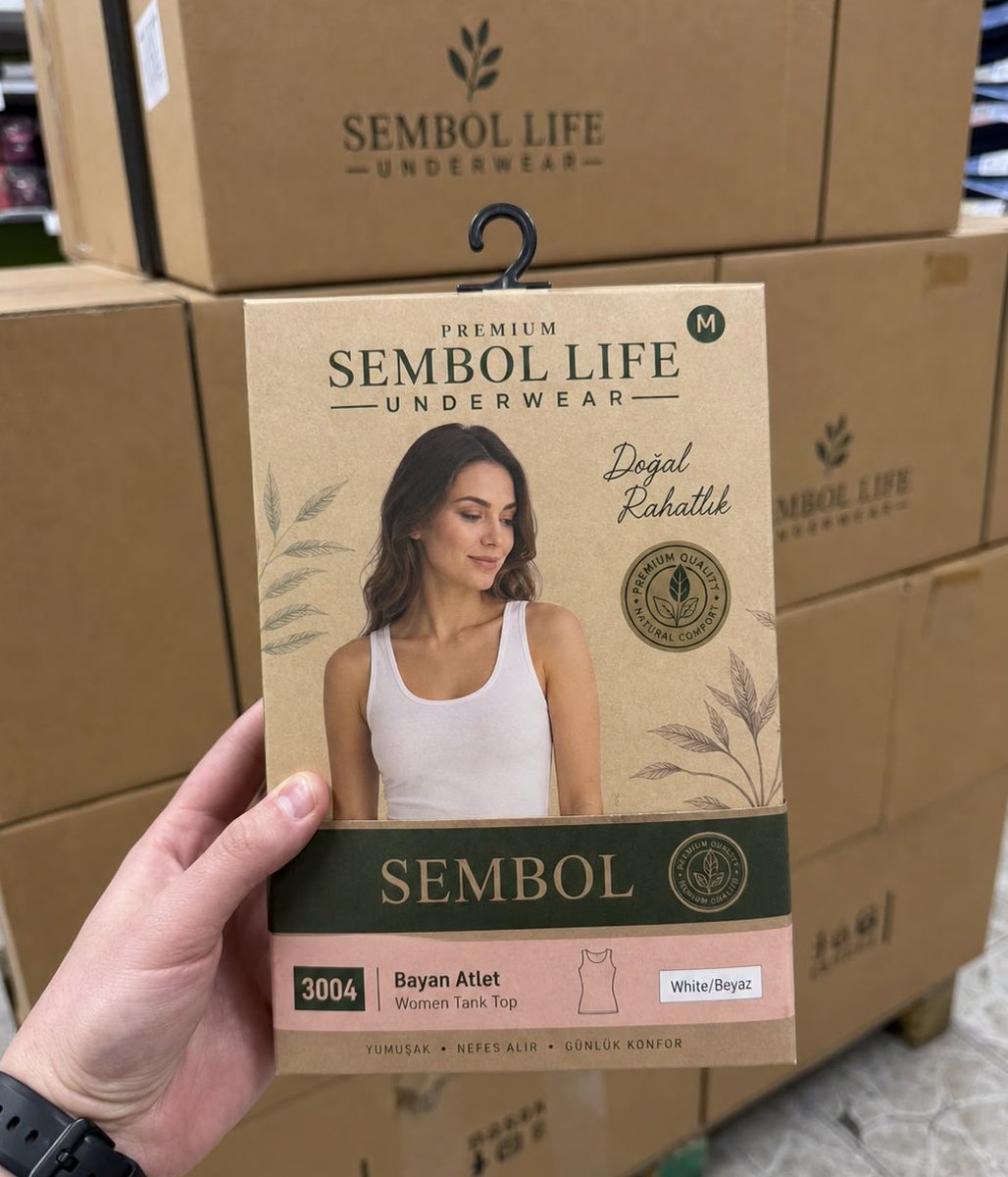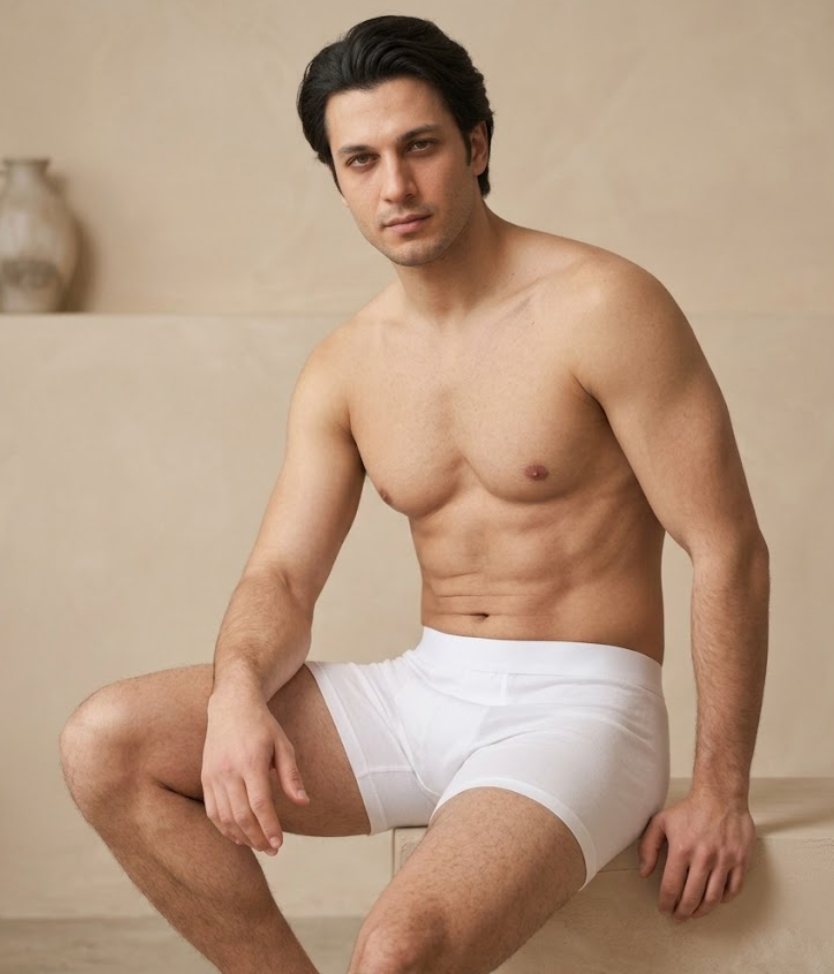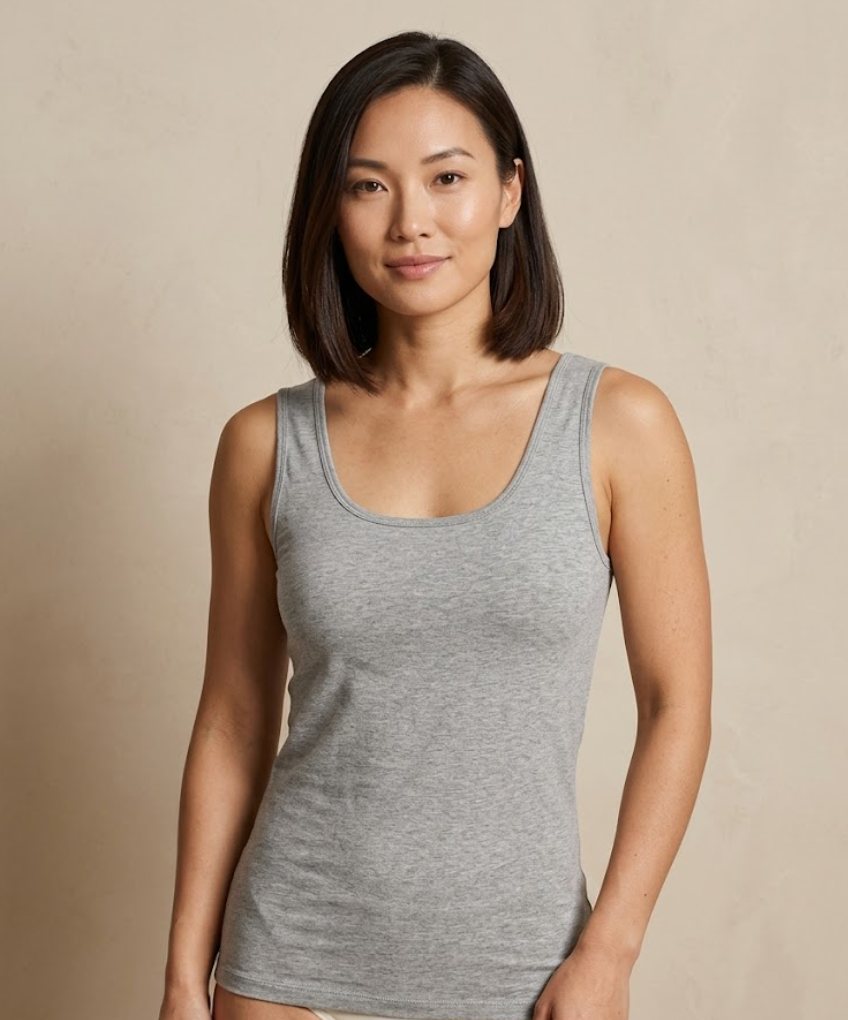
Underwear Sizing & Grading: Men's, Women's & Kids' Runs
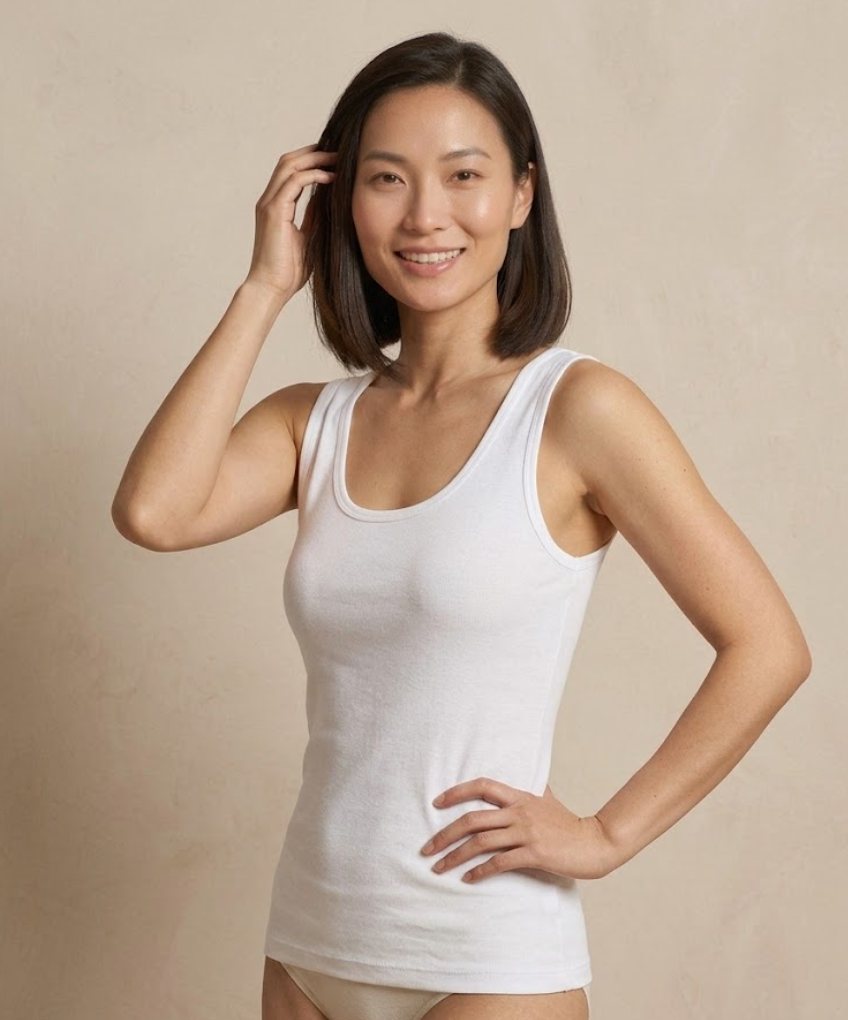
Sizing is where a lot of first-time brands lose money — order the wrong curve and you are left with unsellable 2XL while the mediums are gone in a week. Getting the size run and grading right up front is cheaper than learning it through returns. Here is how to spec sizing that fits your market.
What "size run" and "grading" actually mean
A size run is the set of sizes you produce for a style; grading is the rulebook for how measurements step up between them. When your manufacturer "grades" a pattern, they apply a consistent increment to every point of measure — waistband, rise, leg opening, chest, length — so an XL is a proportional scale of a Medium, not a guess.
Good grading is why a customer who is a "Large" in your briefs is also a "Large" in your boxers. Inconsistent grading across styles is one of the fastest ways to erode trust in a young brand.
Men's size runs
Men's innerwear commonly runs on two overlapping systems you should understand together:
- Alpha: S, M, L, XL, 2XL — the familiar retail labels.
- Numeric: where 4 = XL and 5 = XXL, a system widely used in European and Turkish manufacturing.
The practical point for buyers: confirm the mapping explicitly so "size 4" on your tech pack and "XL" on your packaging mean the same garment. Boxers cut in cotton-elastane can carry a slightly wider size span than pure-cotton briefs, because the stretch absorbs fit variation.
Women's size runs
Women's tanks, camisoles and briefs typically run S–XL or S–2XL. Two things to lock down:
- Fit intent — is the camisole a close, layering fit or a relaxed one? That decision changes every graded measurement.
- Style-specific points of measure — bust, underbust and strap length matter for camisoles and tanks in a way they don't for briefs.
Decide your target fit first, then grade around it. Don't inherit a generic chart and hope it suits your customer.
Kids' size runs
Children's underwear is usually sized by age band or height (for example 2–3, 4–5, 6–7 years, or the equivalent height ranges) rather than S/M/L. Two rules matter most:
- Safety first. Kids' lines should be built on fabric certified to OEKO-TEX Standard 100 Class I — the strictest class, set for articles for babies and toddlers.
- Grow room, within reason. Children's grading allows a little ease for growth, but too much ruins the fit; follow established age-to-measurement conventions rather than over-sizing.
How to build your size chart
Work through this checklist with your manufacturer before sampling:
- Pick the run per style, not one run for everything (a camisole and a boxer need different logic).
- Define points of measure for each style and the tolerance (+/-) allowed in production.
- Lock the numeric-to-alpha mapping if you use both, in writing.
- Set the grade increments and confirm they are applied consistently across the range.
- Validate on a fit sample — measure a graded sample from the middle and both ends of the run, not just the base size.
Let the first order tune the curve
No chart survives contact with real customers perfectly. Keep your launch size run tight, then read the sell-through: if L/XL/2XL clears first, your market skews larger and your reorder curve should follow. This is exactly why a low first order plus a data-driven reorder beats guessing the perfect ratio on day one.
Sembol produces men's, women's and kids' underwear across alpha and numeric runs (including the 4/5 system), graded to one consistent standard so your sizing stays honest across every style and reorder.
Let’s make your line
Send your tech pack or a reference sample — we’ll reply with a costed quote.